 SUNSET:

If you're wondering which telescope to buy or what camera would be best for astrophotography, the editors of Sky & Telescope are here to help. In addition to guides for those new to astronomy, every month we showcase the newest products on the astronomy market, and several times a year, editors visit national conferences to chat with equipment manufacturers and vendors. We bring the products to life in our series of exclusive video interviews. Plus, our do-it-yourself section shows you how to modify, care for, and improve your equipment.
Choosing Your Astronomy Equipment
Telescopes come in an overwhelming variety of sizes, shapes, and prices. Sky & Telescope can help you choose the telescope that's right for you, and we’ll recommend accompanying equipment such as eyepieces and filters too.
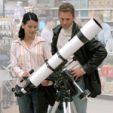 Telescopes
Browse here before you buy: learn the differences between reflectors, refractors, and compound telescopes and find the telescope that best fits your needs. We recommend several telescopes under $200.
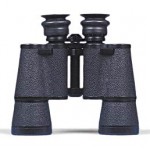 Binoculars
Sometimes the best first telescope is a pair of binoculars — their larger fields of view make the heavens easier to understand, and they can be cheaper too. Find advice on the best binoculars for stargazing.
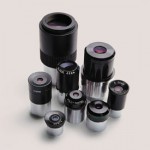 All Equipment
Find all our advice on telescopes, mounts, cameras, eyepieces, mounts, and books for astronomy.
DIY Astro Projects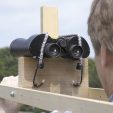
Find out how to keep your telescope “well tuned,” from aligning the mirrors to cleaning the optics. Also get tips on how to build your own backyard observatory, image-stabilize your binoculars, and more.
 Astronomy Equipment Videos
Over the past few years, former S&T senior editor Dennis di Cicco has interviewed many manufacturers and vendors of astronomy equipment bringing their products to life. Browse all of our equipment videos by brand and year.
