 SUNSET:


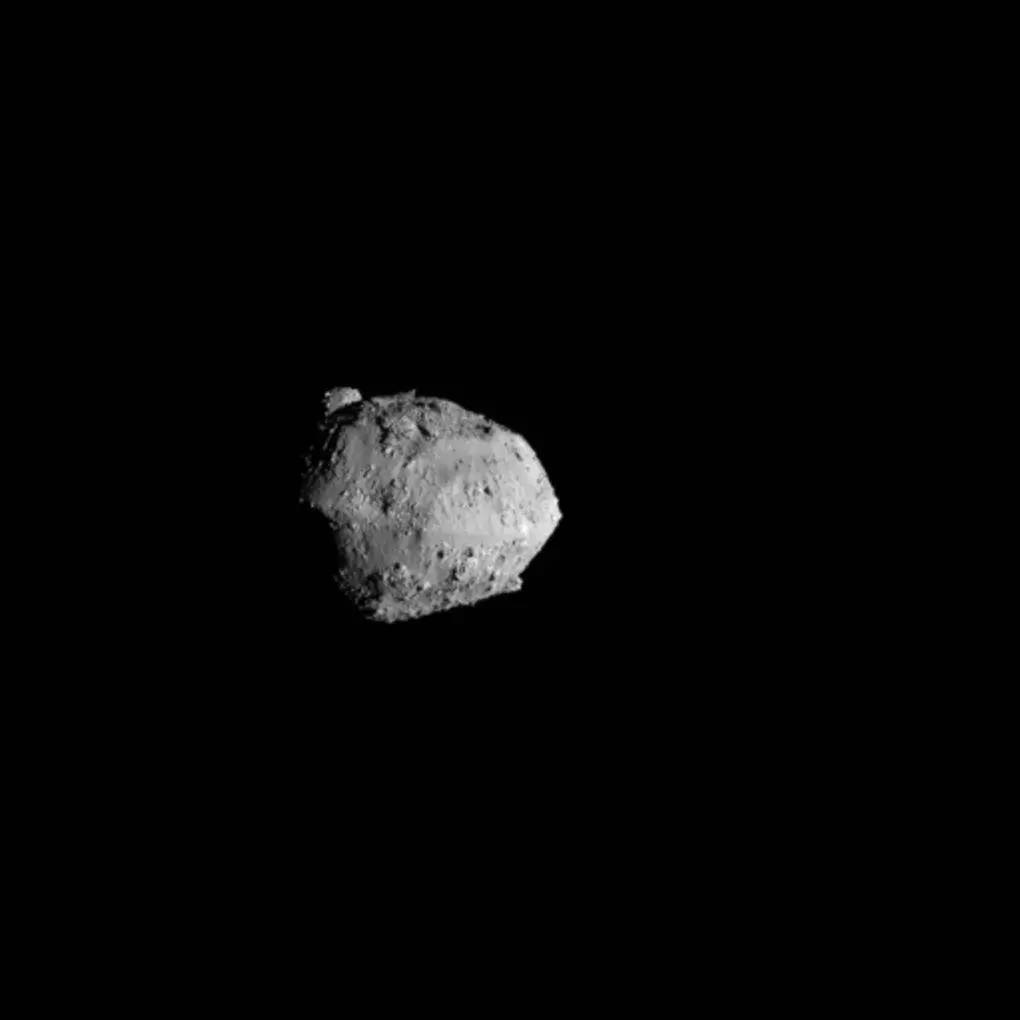
Hera Spacecraft Peeks at Asteroid Moonlet
Europe's Hera spacecraft is visiting the Dimorphos-Didymos asteroid system to take a close look at the aftermath of NASA's impact in 2022.
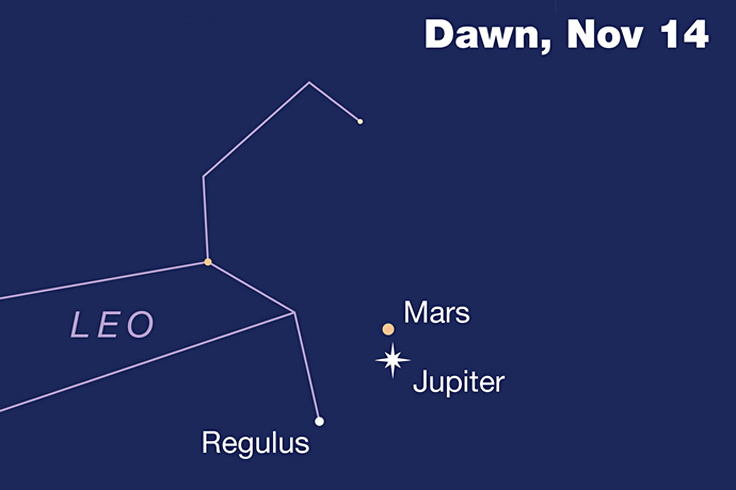
This Week's Sky at a Glance, November 13 – 22
Jupiter and Mars creep through their pre-dawn conjunction this week. Far lower left of them, Venus and Mercury rise to shine in early dawn.
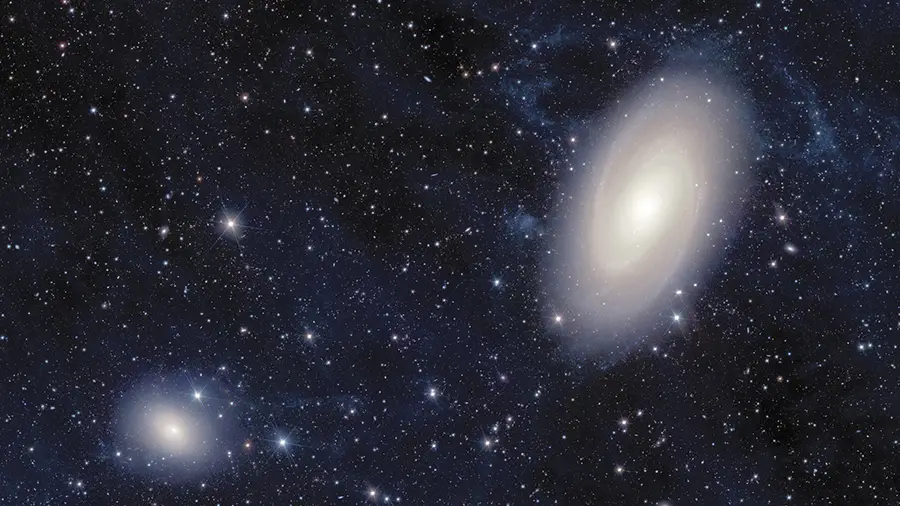
Euclid Space Telescope Is Filling Its Treasure Chest
With 30 times more sky surveyed and thousands of new strong-lens candidates found, the European satellite’s latest data release lays the groundwork for cosmology breakthroughs.
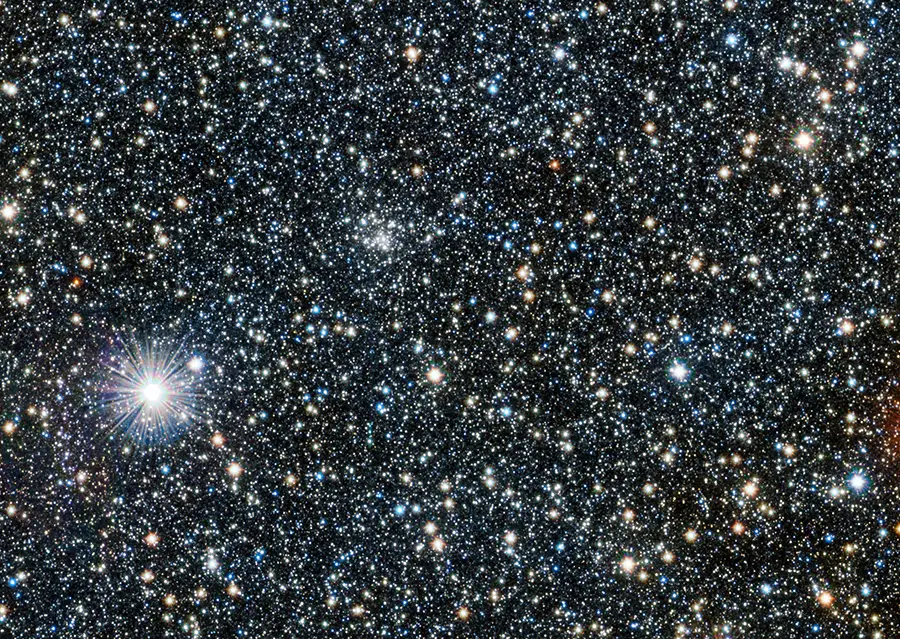
Is This the Star Cluster That Helped Make the Milky Way?
The ancient globular cluster VVV CL001 might be almost as old as the universe. But its claim to fame rests on a single star, meaning more work needs to be done.
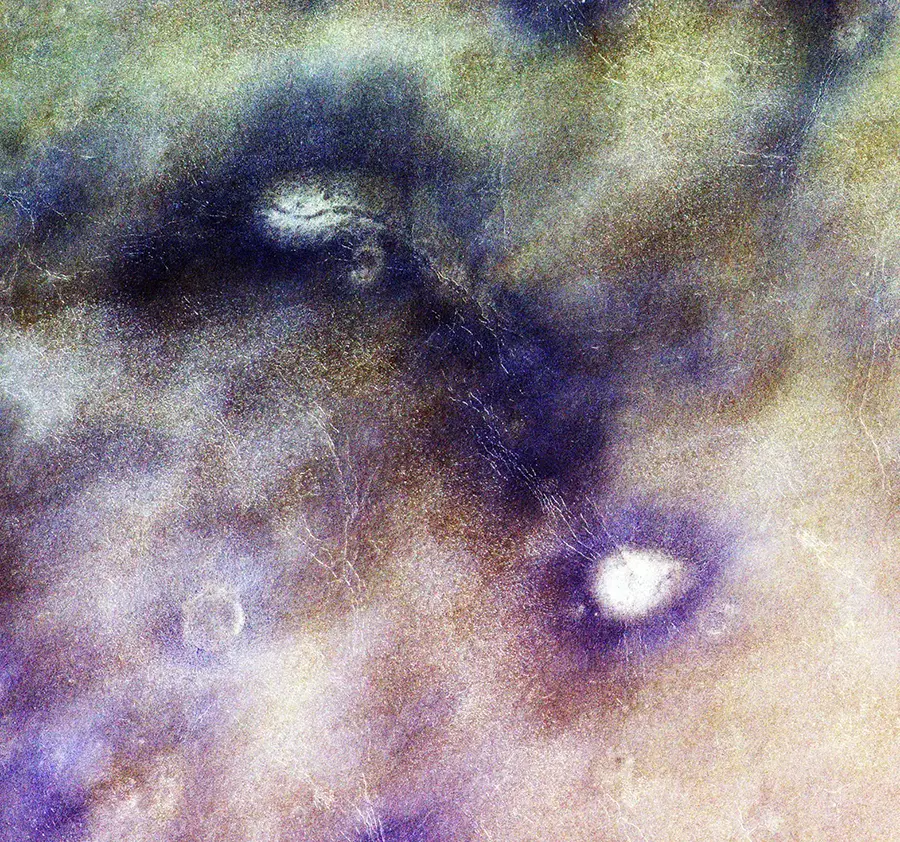
Noxious Smoke Hints at Active Volcanoes on Mars
The odor of hydrogen chloride in Mars’s atmosphere indicates that some form of volcanic activity is still going on.
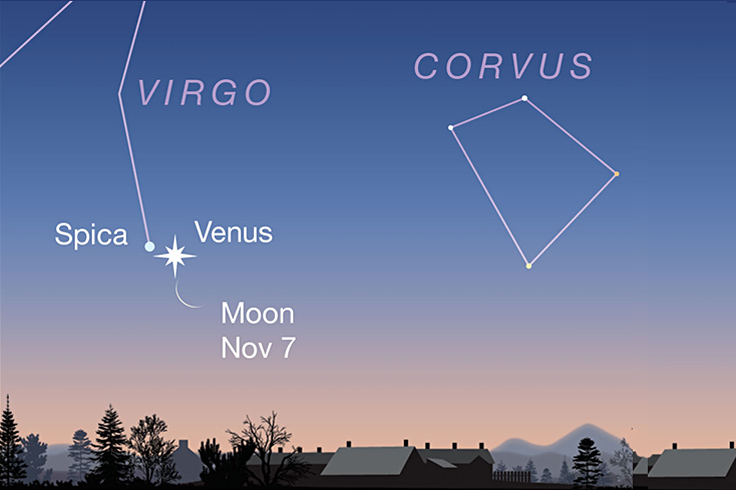
This Week's Sky at a Glance, November 6 – 15
On November evenings, wintry Capella comes into balance with summery Vega. And low in Saturday's dawn, the hairline crescent Moon horns in on Venus and Spica.
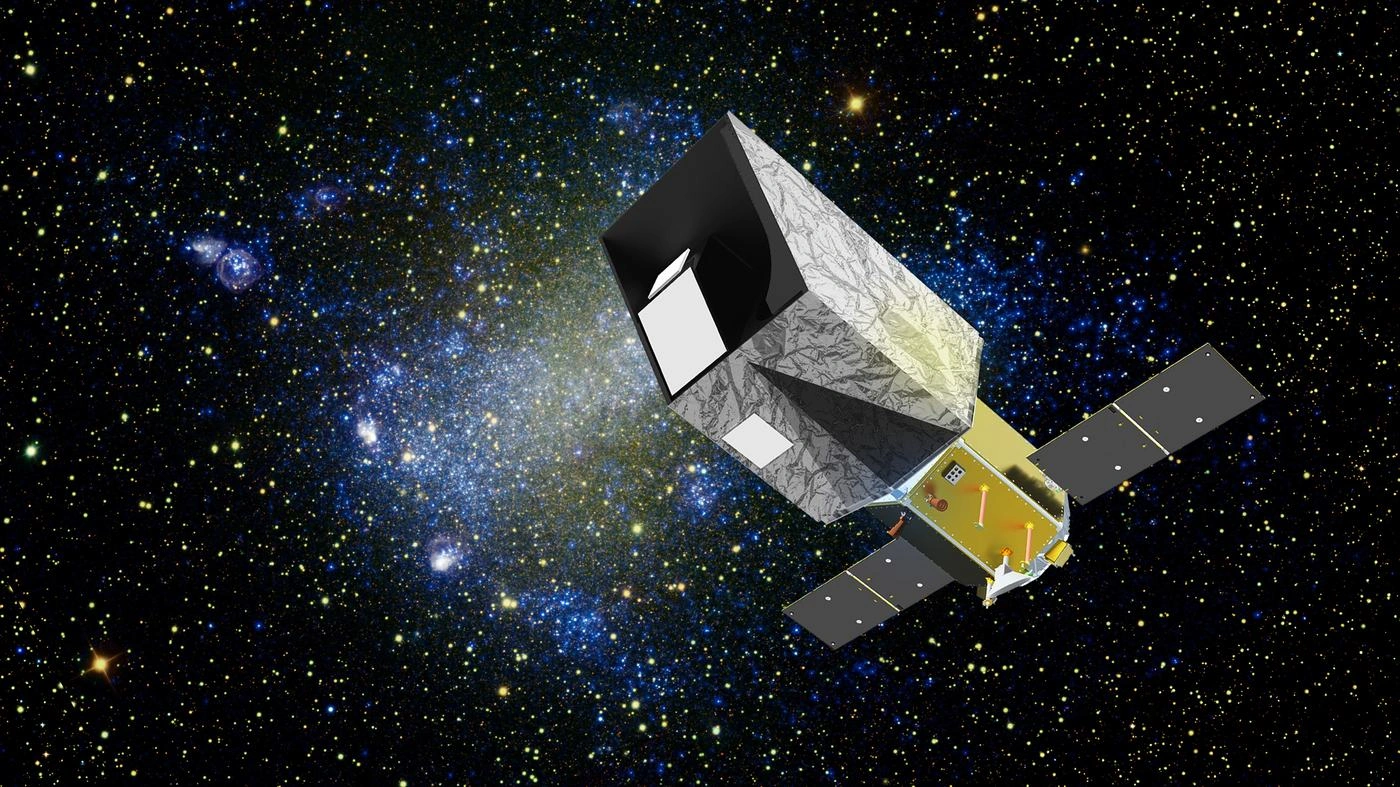
NASA Moves Ahead with Ultraviolet Space Telescope
A new ultraviolet space telescope will fill a gap in the spectrum, bearing witness to cosmic cataclysms and probing the evolution of the early universe.

Margaret Hamilton, Apollo Software Engineer (1936 – 2026)
Hamilton’s code sent humans to the Moon with a “defensive programming” mindset.
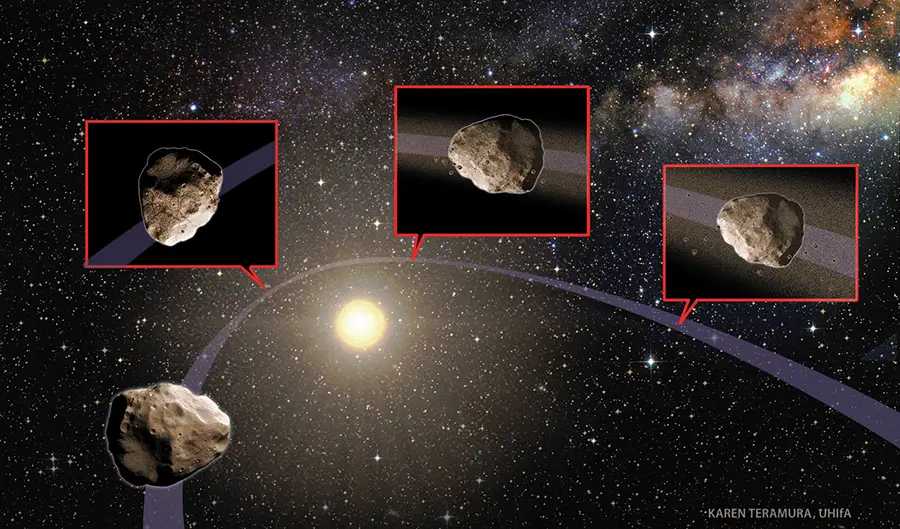
Sunlight Pulverizes Asteroids That Come Too Close
Asteroids that come too close to the Sun don't last long. Now astronomers think they might know why.
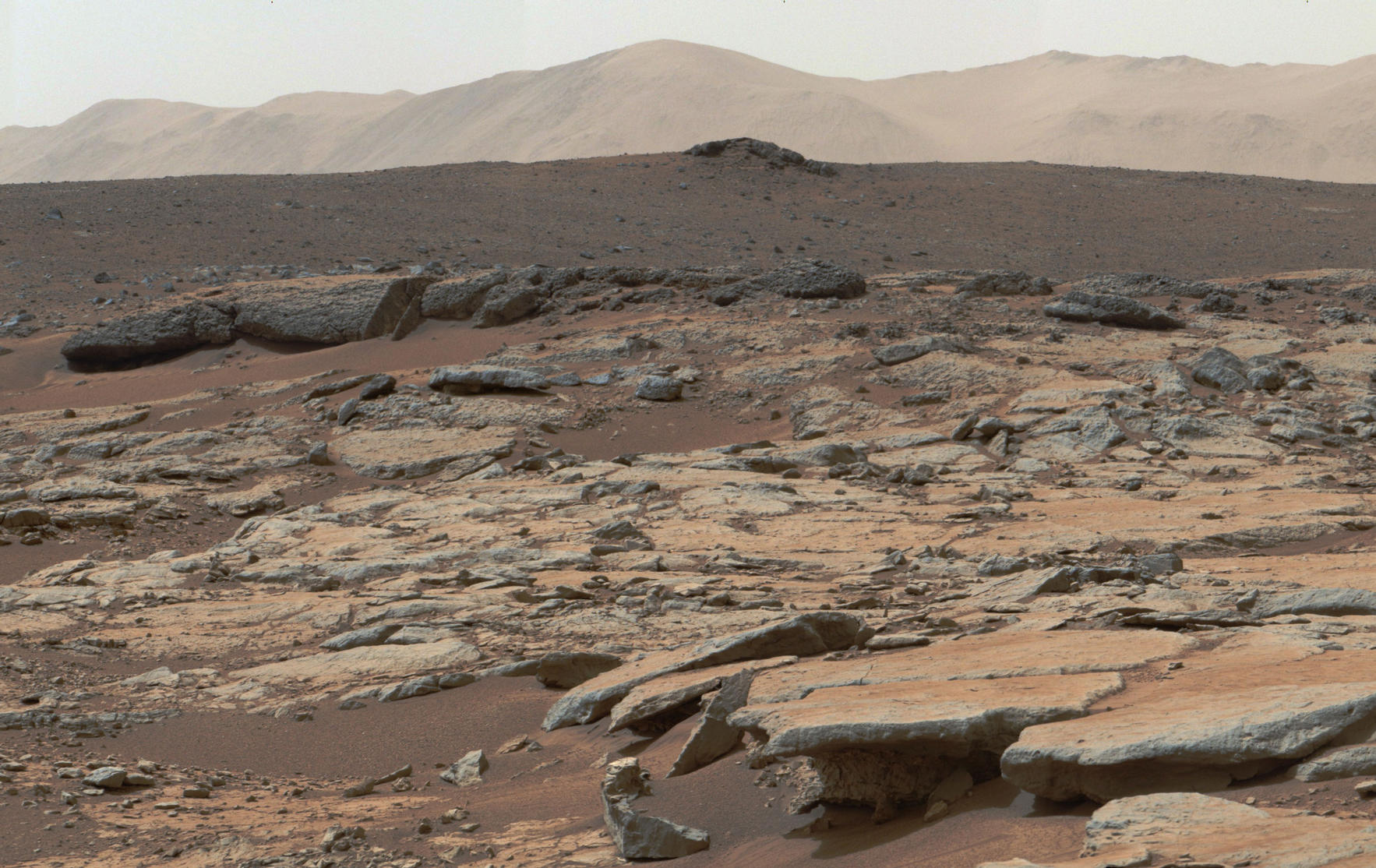
Mars May Have Been Warmer and Wetter for Longer Than We Thought
Orbiter and rover data are showing that water may have flowed more recently on the Martian surface, maybe even into the present era.
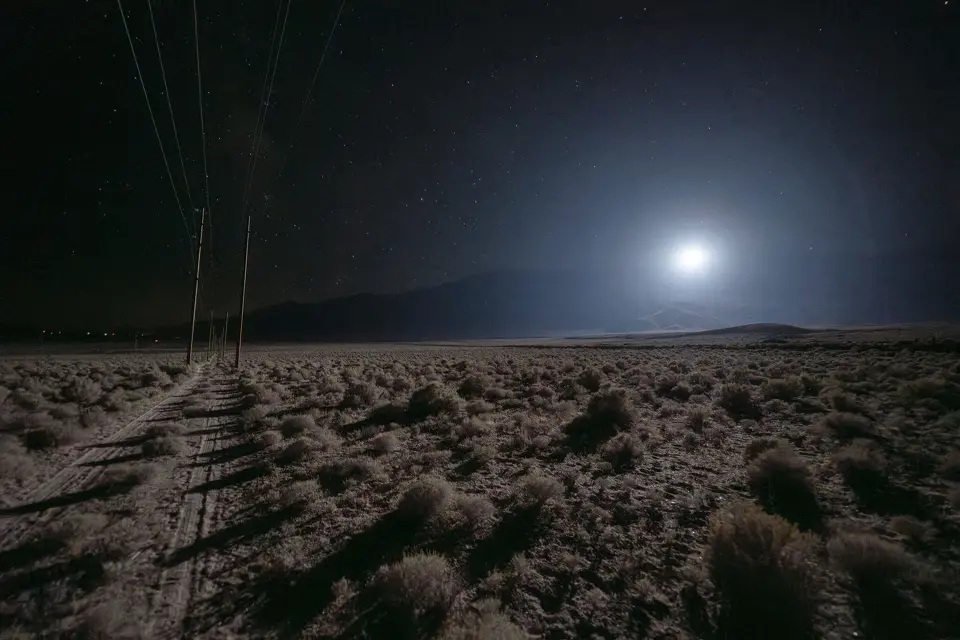
A Satellite Company Tests “Sunlight As A Service” — Without Astronomers’ Knowledge
The California demonstration by Reflect Orbital used spotlights to imitate sunlight-reflecting satellites.
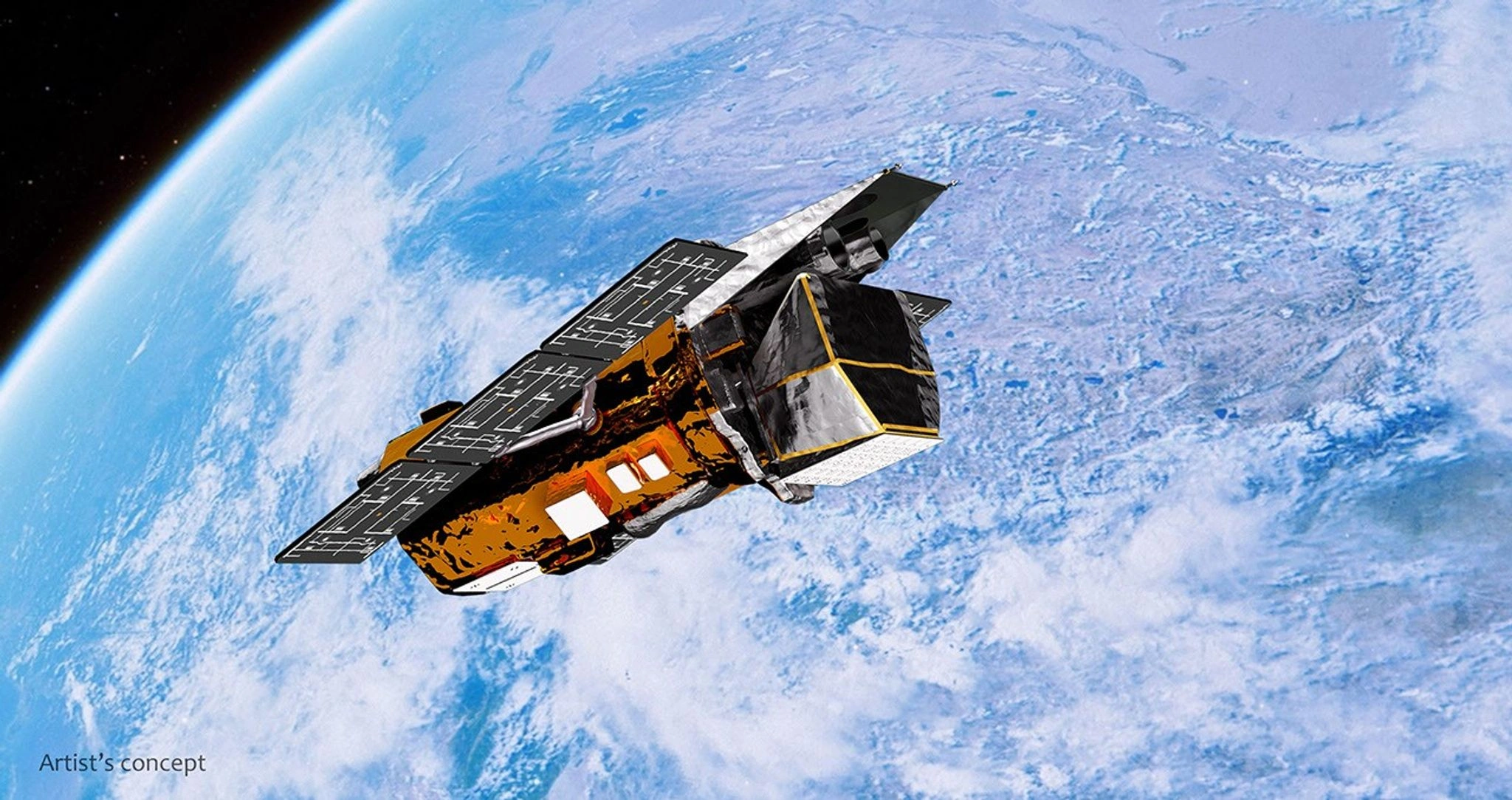
Swift Observatory Ends Mission, Reenters Earth's Atmosphere
NASA’s Swift mission will soon meet a fiery end, after more than two decades of ground-breaking science.
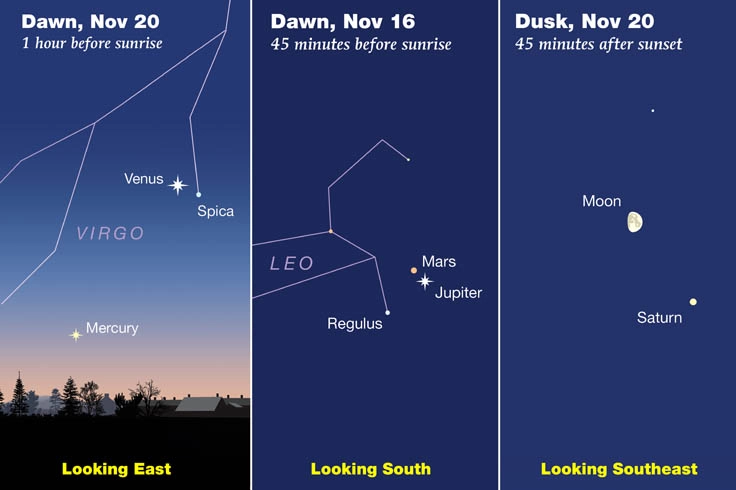
November Podcast: Five Planets in View
This episode takes you on a guided audio tour of the stars and planets that you’ll see overhead during November. During the last half of this month, all five bright planets can be seen before dawn and after sunset. You’ll also get the lowdown on a celestial queen with an unfortunate fate. So grab your curiosity, and come along on this month’s Sky Tour.
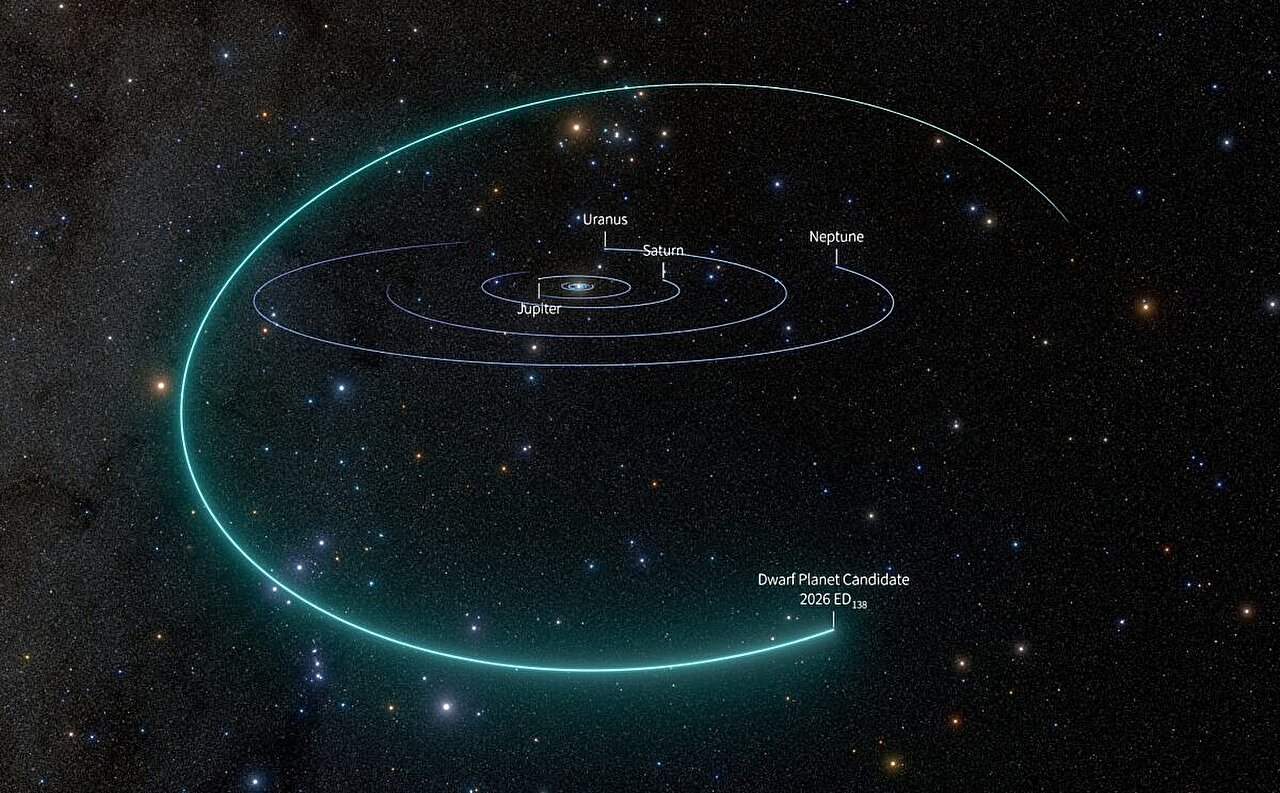
Possible New Dwarf Planet in the Solar System
Astronomers have identified more than 1,000 outer solar system objects in data from the Rubin Observatory — including a possible new dwarf planet.
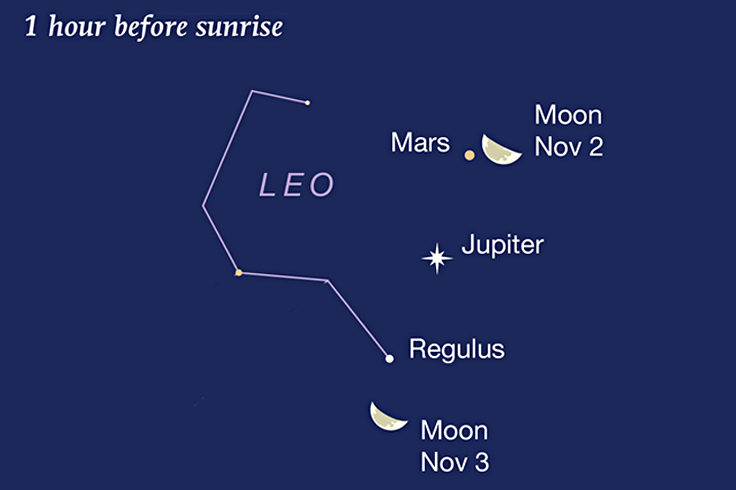
This Week's Sky at a Glance, October 30 – November 8
Saturn glows for Halloween, the Summer Triangle effect continues, the Taurids tease, and the last-quarter Moon passes Mars, Jupiter, and Regulus in early dawn.
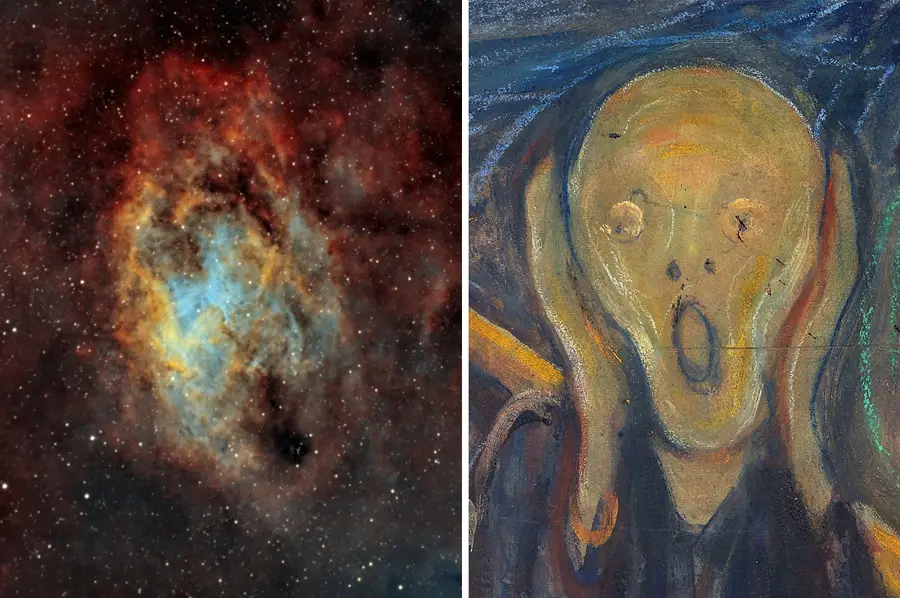
Have a Screamingly Good Halloween Week
From the Scream Nebula to bobbing for planets in daylight, Halloween offers an ample bag of treats.
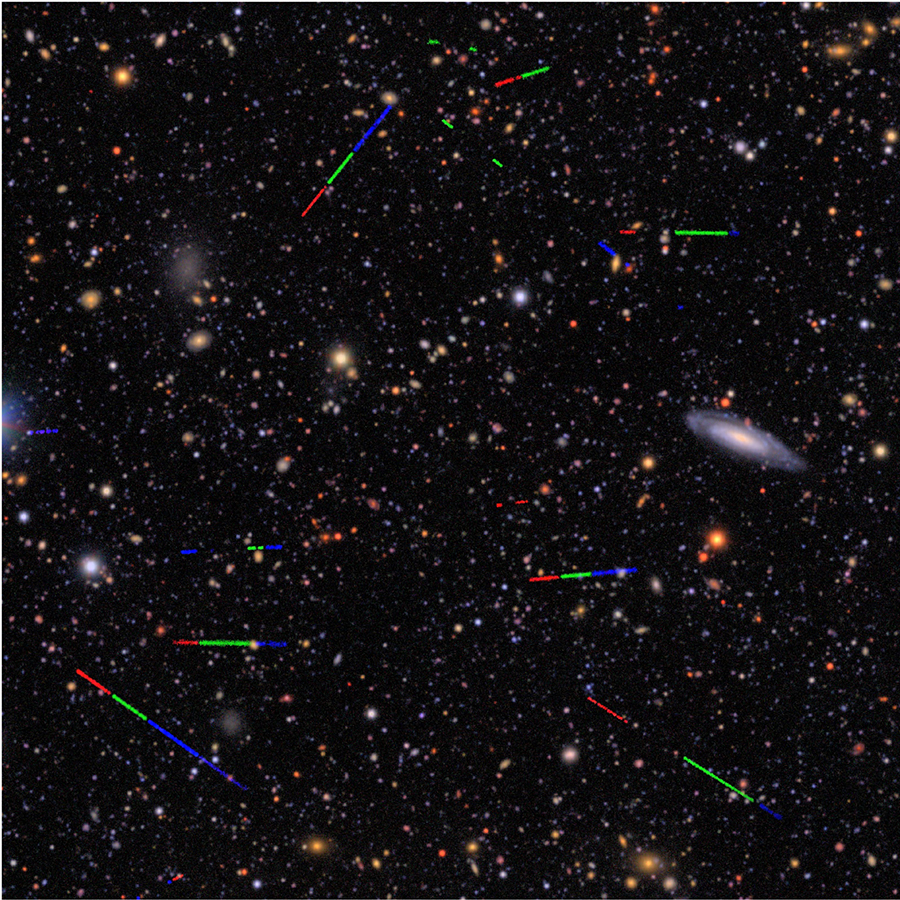
Rubin Observatory Detects Record-Breaking Asteroids
The Rubin Observatory has detected thousands of new asteroids, including several that spin a lot faster than expected for typical rubble piles.
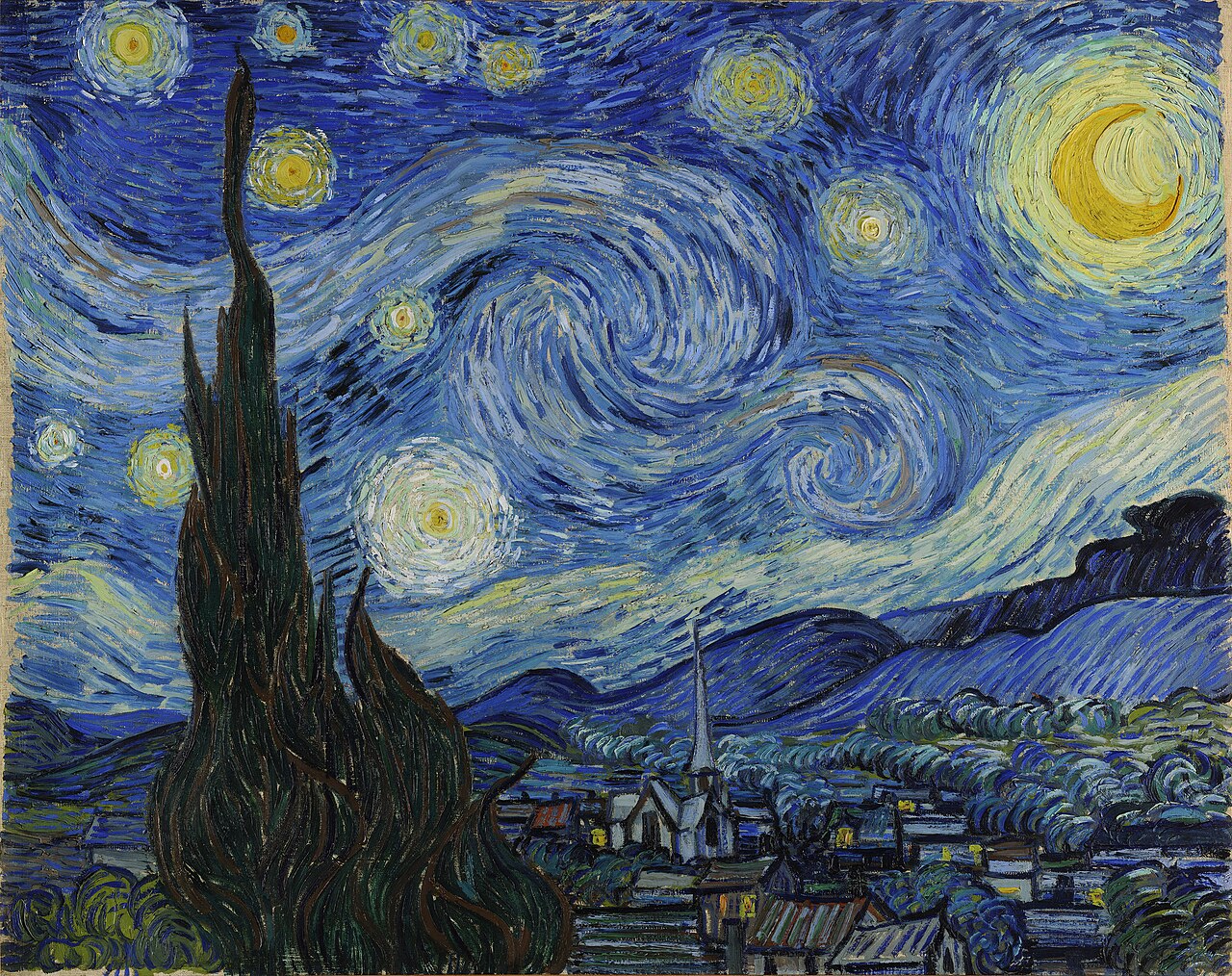
Did Venus and the Hyades Star Cluster Inspire Van Gogh’s ‘The Starry Night’?
A team of researchers claims the Hyades star cluster may form the heart of van Gogh's "The Starry Night." Others aren't so sure.
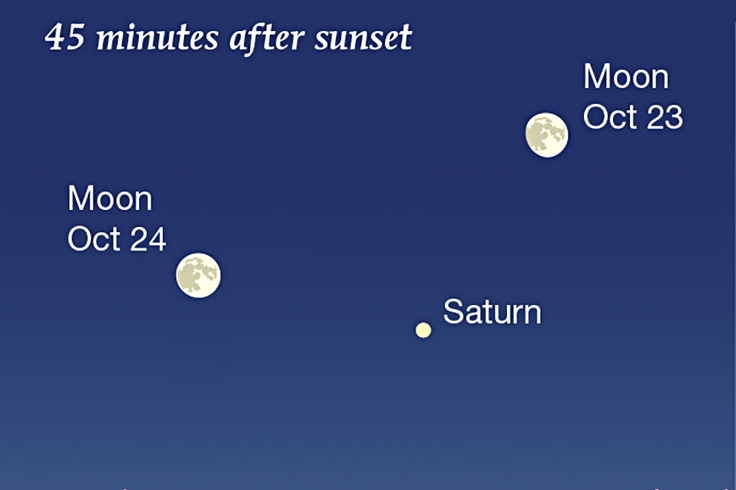
This Week's Sky at a Glance, October 23 – November 1
The Moon lights the way to Saturn 3,300 times farther behind it. Then the Moon befriends the Pleiades. The Ghost of Summer Suns arrives for Halloween. The Dipper lies low.
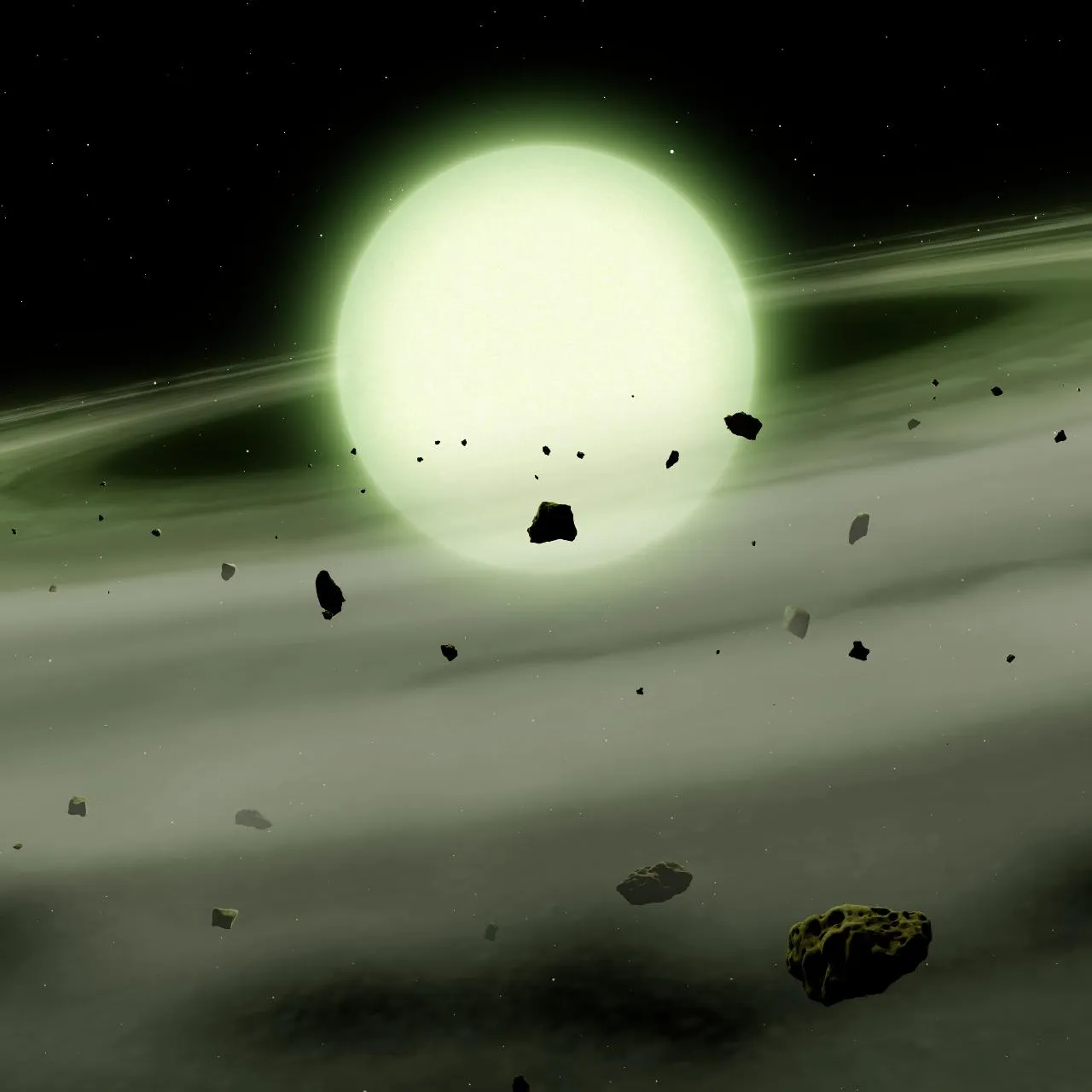
A Chartreuse White Dwarf Shows Some Stars Really Are Green
There are no green stars — right? Well, astronomers have identified a star, a white dwarf to be specific, that breaks this rule.