 SUNSET:


Scientists Found a Potential Dark Matter Particle — What Happens Now?
The recent detection from the LUX-ZEPLIN experiment could point to “heavy” dark matter.
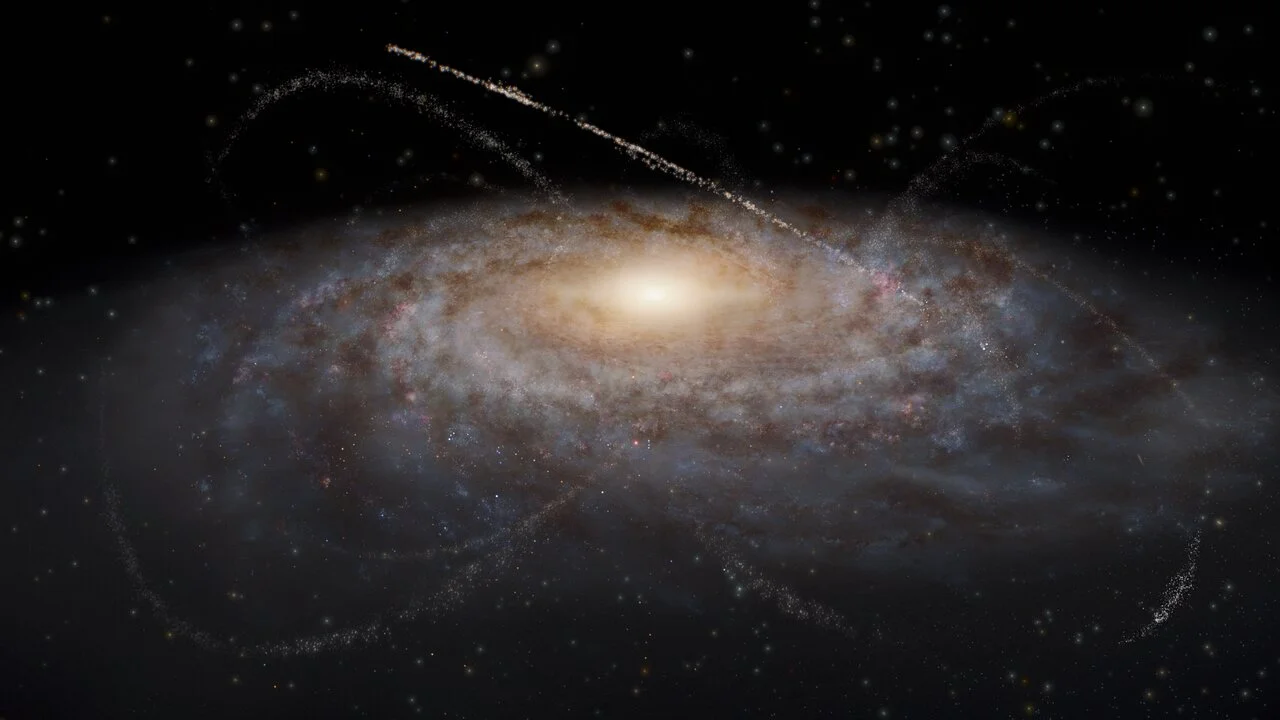
Gaps in Stellar Streams May be Common — and Not a Sign of Dark Matter
Astronomers once thought dark matter clumps had torn their way through long lines of stars — now, a new study shows that gaps in such stellar streams can arise even without dark matter.

A New Way to Map the Universe's Missing Matter
Brief but powerful flashes of radio waves are aiding astronomers' quest to find and map cosmic gas.
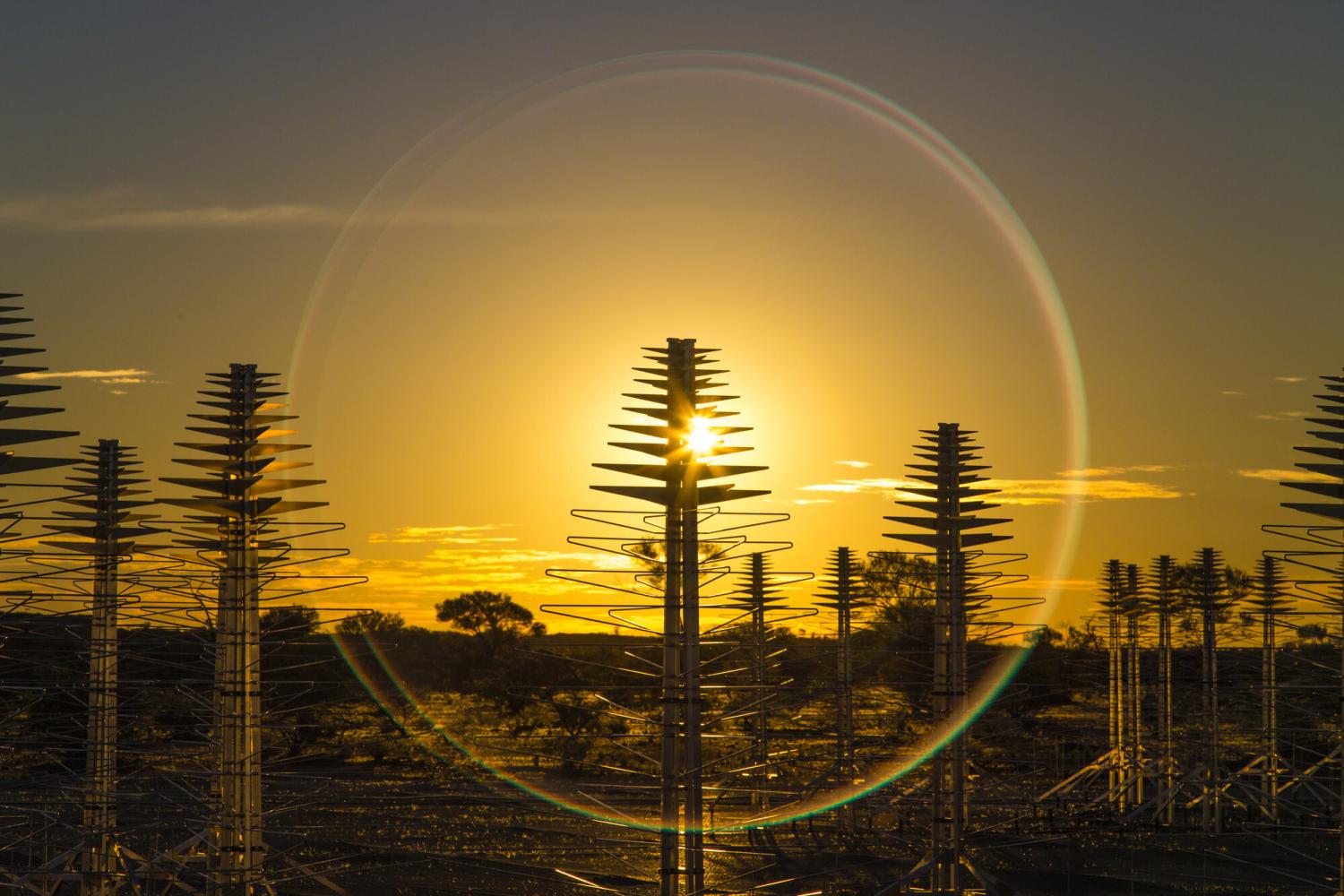
Radio Astronomers Measure a Brighter Sky Than They Expected
Astronomers have underestimated just how bright the low-frequency radio sky is, new measurements show.
Catching the Earliest Stars in the Universe
New observations from the James Webb Space Telescope might have caught the signature of the universe's first stars.
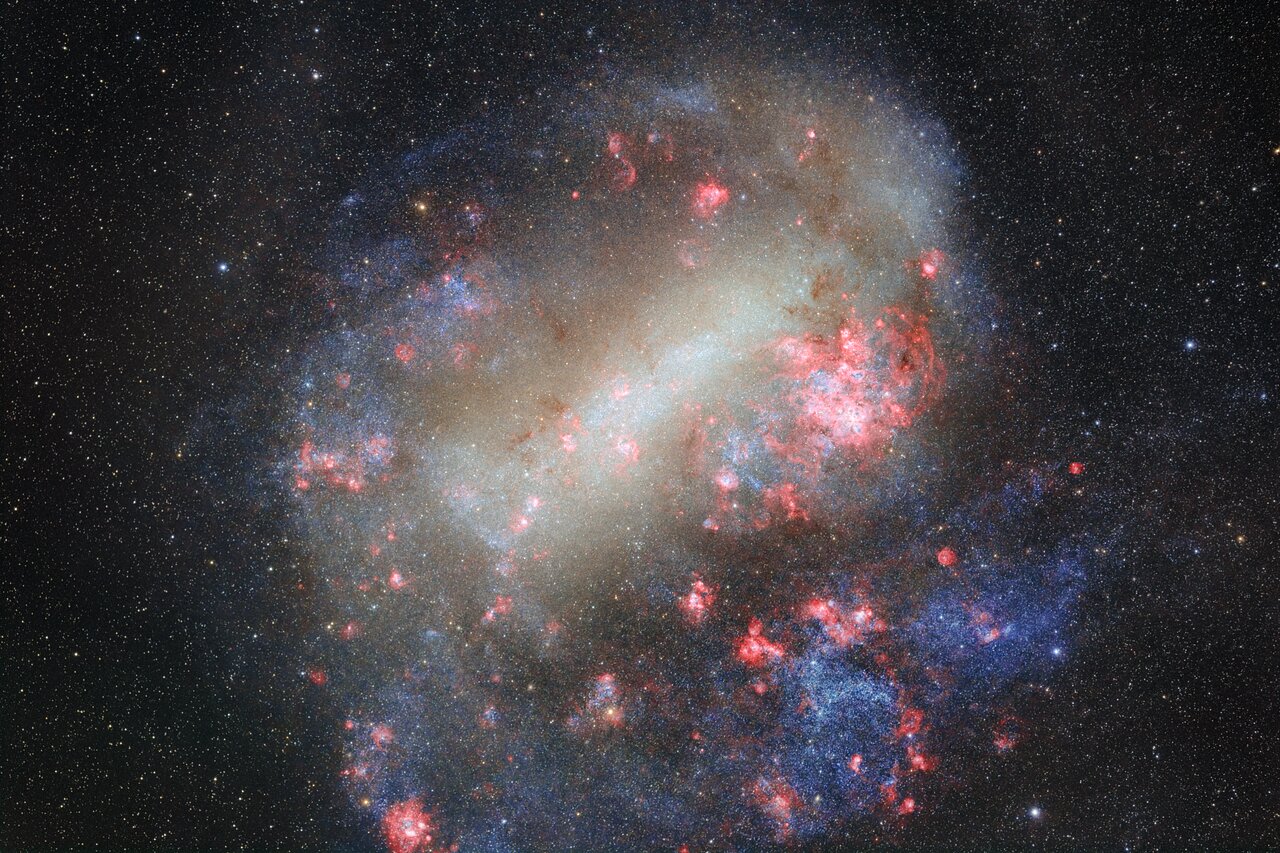
Dwarf Galaxy Has "Too Many" Satellites
While small galaxies are expected to have even smaller satellite galaxies, astronomers have found a surprising number of tiny companions around one dwarf galaxy.
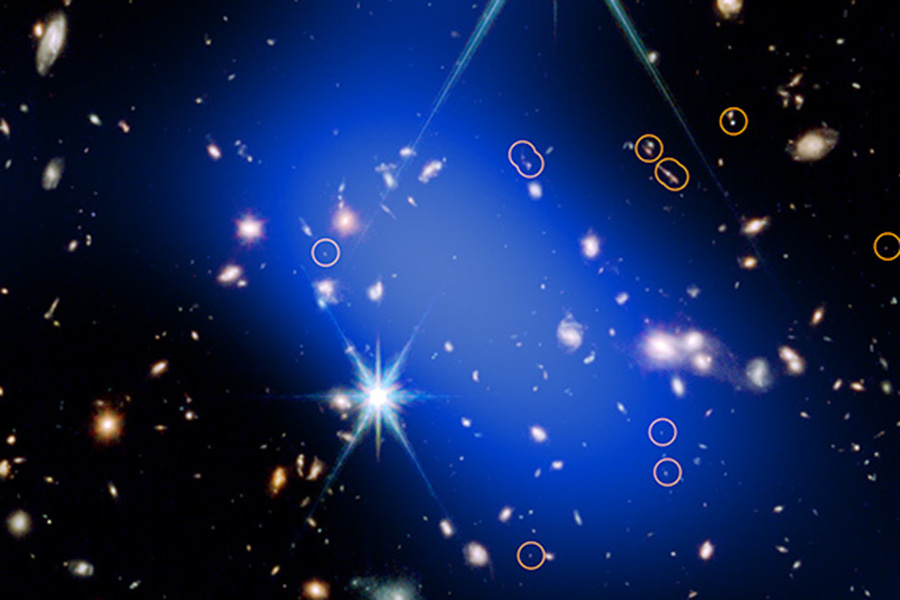
Infant Galaxy Clusters Grew Faster Than Expected
Astronomers have discovered three still-growing galaxy clusters in the early universe that point to a faster track of evolution than expected.
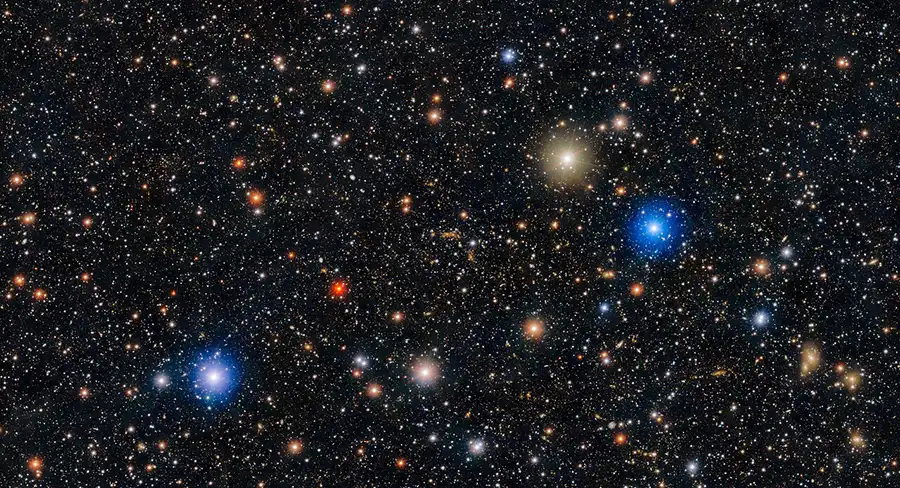
The Dark Energy Survey Weighs in on Cosmic Tensions
The final release of data from the Dark Energy Survey widens tensions in our understanding of the cosmic evolution.
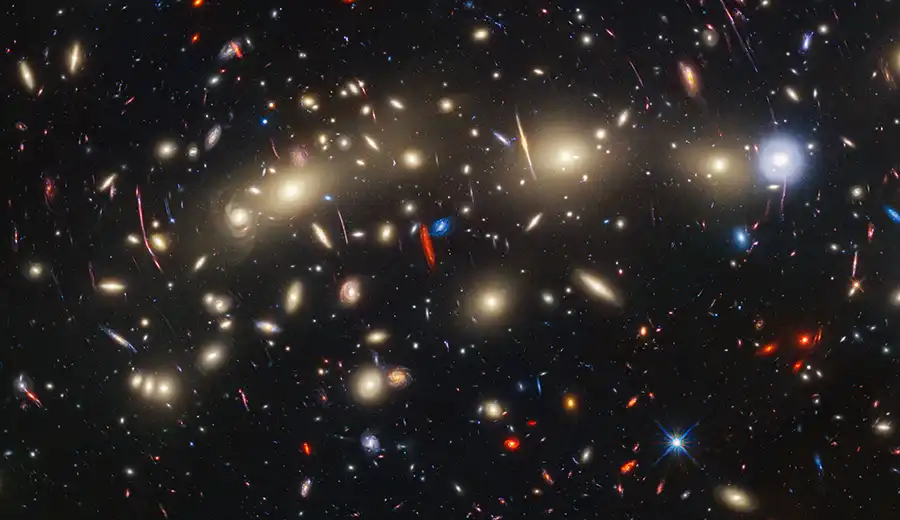
“Missing” Supernova Images Offer Measure of Universe’s Expansion
Astronomers have found two gravitationally lensed supernovae that are missing images. Those images' arrival will offer a measure of the universe's expansion.

Galaxies Spin on Vast Filament Like a Teacup Ride
Astronomers have discovered one of the largest structures in the universe — and the galaxies within it — spinning like a fairground teacup ride.
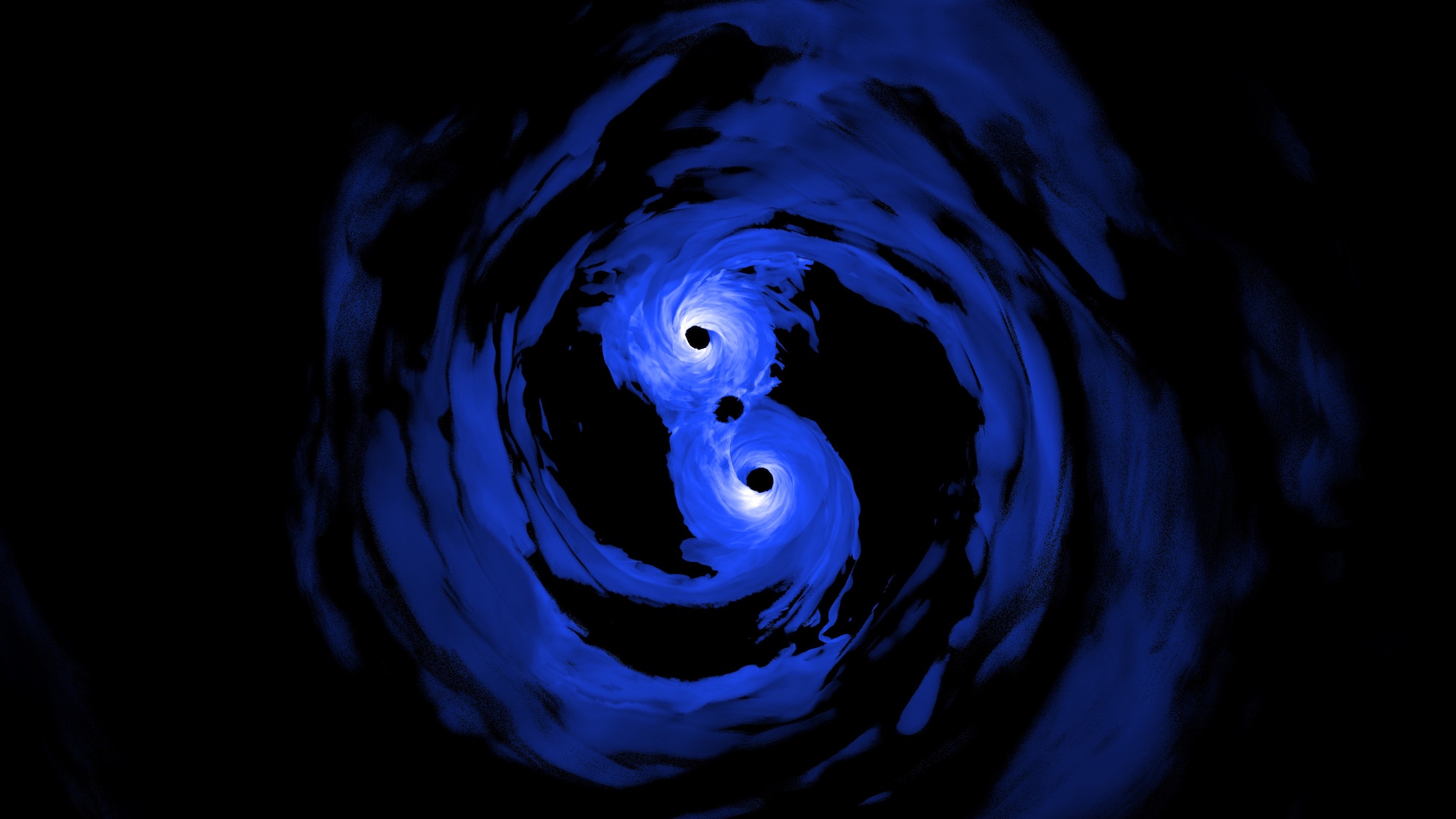
Boosting the Gravitational Wave Background
Why is the gravitational-wave background — the hum made by supermassive black holes colliding across the universe — stronger than expected?
Astronomers Map the Cosmic Web
A 23 million light-year-long gaseous filament and 39 bursts of radio waves are helping astronomers chart the universe's largest-scale structures.

Chandra X-ray Observatory and the Missing Quasar Image
Astronomers puzzled over why a gravitationally lensed quasar was missing one of its images — then the Chandra X-ray Observatory found it.

Cosmic Fog Lifted Earlier Than Expected
New observations show that the universe's first light penetrated the fog of the cosmic dark ages just 330 million years after the Big Bang.

New Data Hint at Changing Dark Energy — and a Different Cosmic Fate
New data hint that dark energy is weakening over time. If true, it means that our most trusted cosmological models may be wrong.
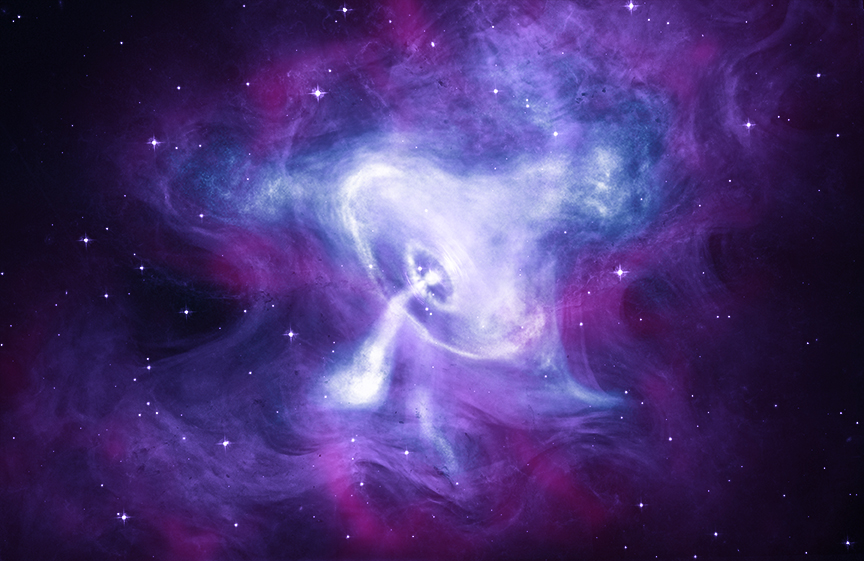
Pulsars Yield Dark Matter Density in Our Galactic Neighborhood
A new technique to measure the motions of pulsars for the first time enables more precise estimates of local dark matter density.

Euclid Observatory Opens Cosmic Treasure Trove
Euclid's first data release allows scientists to sharpen the tools they’ll need to unravel the nature of dark matter and dark energy.

Release of 4,000 Supernovae to Aid Cosmology
A new survey contains 3,628 Type Ia supernovae — the exploding white dwarfs that astronomers use as cosmological toeholds to gauge our expanding universe.

New Distance Measurement Highlights Hubble Tension
The distance to the Coma galaxy cluster highlights a discrepancy between different measurements of the universe's current expansion rate.

Supernovae Shaped the Early Universe, Webb Telescope Finds
Astronomers have discovered one of the earliest supernovae yet and found that exploding stars may have contributed to the enrichment of the young universe.